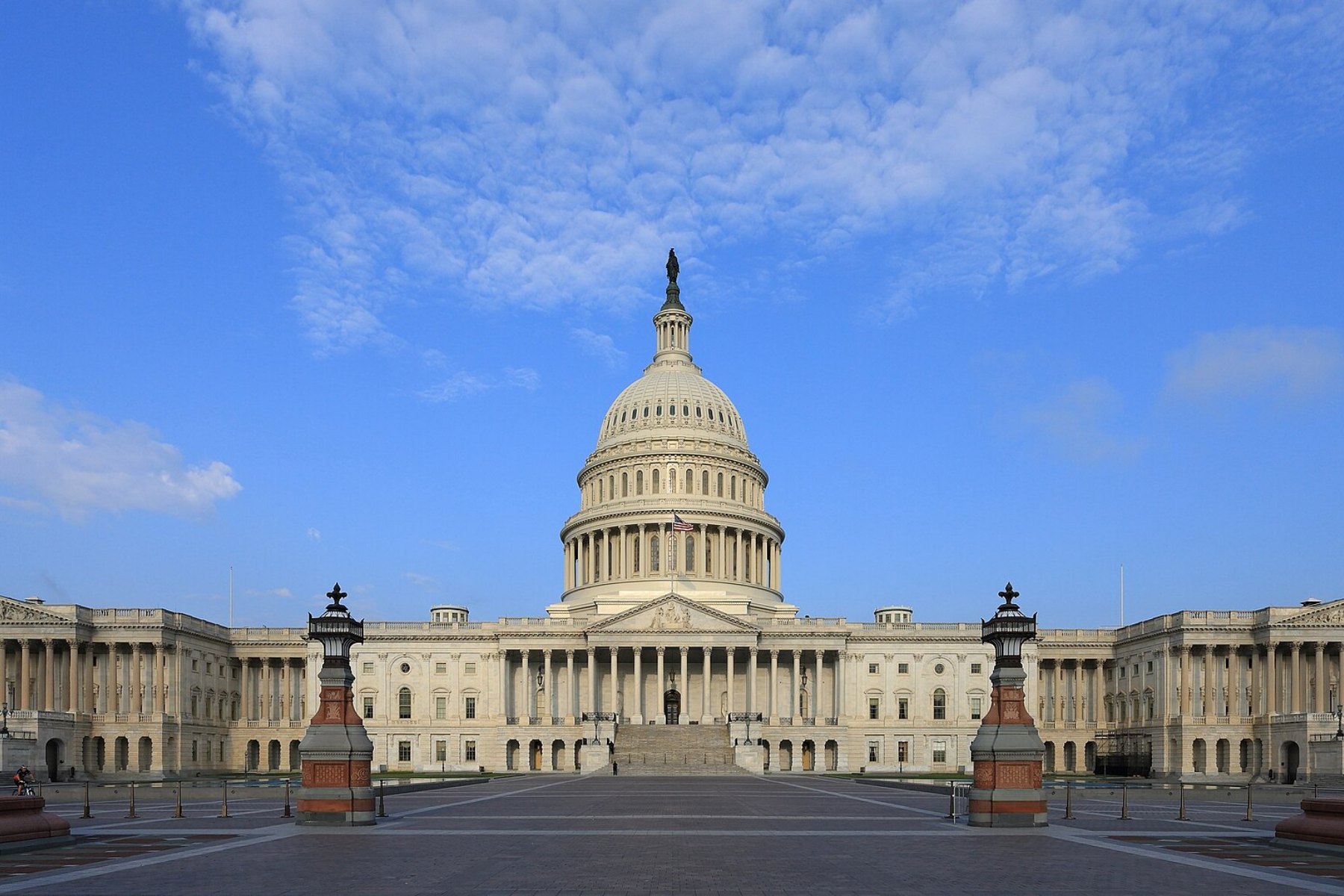
This is your daily briefing. Each story below covers what happened, who it affects and what comes next, with claims attributed and linked to their sources. Two threads run through today's news: a Senate bill on energy permitting, and a Congress that returned to Washington after an election that shifted power to Democrats.
Senate weighs energy permitting bill
Senators from both parties announced a deal on September 30, 2026, on a bill to speed reviews for new energy and infrastructure projects, according to PBS NewsHour. The bill would require data centers to pay all of their transmission costs, so those costs are not passed to families or businesses. It would also limit legal challenges under the National Environmental Policy Act, which requires agencies to weigh a project's environmental effects before approval. The Senate was set to hold a procedural vote on November 9, 2026, PBS reported.
Supporters and opponents describe it differently. Trump urged senators to back it, saying it would let the country build pipelines, mines and power plants faster and lower energy costs. Sen. Heinrich said it would save households billions on electricity, create jobs, cut emissions and make large corporations pay their share for data centers. Whitehouse said one provision would end the administration's buyouts of offshore wind leases, which have cost nearly $4 billion. The Sierra Club and the National Wildlife Federation opposed the bill, citing limits on judicial review and changes to NEPA. The Conservation Law Foundation said the September deal appeared to adopt a wish-list from the fossil fuel industry.
What it means for you: if the bill becomes law, the data center cost rule is aimed at electric bills, and the NEPA changes would alter how quickly projects get built and how easily they can be challenged in court. Next, watch for the result of the procedural vote and any further Senate action.
Congress returns with six weeks of lame duck
Congress returned on November 9, 2026, after midterm elections in which Democrats won big, according to PBS NewsHour. The new Congress takes over on January 3, 2027. Until then, the House and Senate have only six weeks of lame-duck session to finish Republican priorities, including leadership elections and a government funding package.
The funding deadline touches everyone who relies on federal services or works for the government. Congress must fund the government by mid-December 2026 or risk another federal shutdown. House Democratic leader Hakeem Jeffries said Democrats are on track for 258 House seats and counting, which he called the largest majority any party has had this century, per PBS.
What it means for you: a shutdown would affect federal workers and services, so the mid-December deadline is the date to watch. Next, lawmakers must pass a funding package before then.
New leaders take their posts
House Republicans elected Rep. Jim Jordan of Ohio as their next leader on November 10, 2026, according to PBS. House Democrats were scheduled to hold their speaker nomination vote the week after that date, with Jeffries poised to become the first Black House speaker.
In the White House, Trump named top aide Stephen Miller as his new chief of staff, starting November 9, 2026, PBS reported.
What it means for you: these people set which bills reach a vote and how the administration approaches Congress. Next, the Democratic speaker vote and the formal start of the new Congress on January 3, 2027.
Democrats outline their agenda
Democrats say they will move quickly once they hold the House majority. According to PBS NewsHour, they promise legislation to stop the Iran war and reverse some of Trump's tariffs. Jeffries said five working groups are developing bills to lower costs in housing, energy, groceries and caregiving. Rep. Ted Lieu said Democrats will hold public hearings on AI and pass guardrails on AI and data centers next term. Jeffries also said Democrats will not fund the administration's mass deportation effort and suggested starting with the Dream and Promise Act, per PBS.
Health coverage is part of the debate. Medicaid changes in the 2025 Republican tax bill are expected to cut more than $900 billion over a decade, and KFF data show enrollment has dropped about 5 million, or 7%, since July 2025.
What it means for you: these bills could affect prices, health coverage, trade and technology. But Democratic bills face a 60-vote threshold in the Senate and a possible Trump veto, so becoming law may be hard.
Defense fight and a Hegseth resolution
Rep. Thomas Massie is pushing a resolution to impeach Defense Secretary Pete Hegseth over the Iran war, and House Republican leaders object, PBS reported. Jeffries said he is a firm yes on it. Separately, the annual defense bill is caught in a dispute because progressives want less spending on the war and on military aid for Israel.
Jeffries said a classified briefing he received related to Nvidia, and he pointed out that Trump has said the FBI opened an investigation, according to PBS. Details of that matter were not given.
What it means for you: the defense bill sets military spending and policy, including for the Iran war. Next, watch whether the impeachment resolution reaches a vote and how the defense bill is resolved.
Quick answers
What does the Senate permitting bill do?
It aims to speed reviews of new energy and infrastructure projects, requires data centers to pay their transmission costs, and limits legal challenges under the National Environmental Policy Act. Supporters cite lower costs, while some environmental groups oppose the limits on judicial review.
When must Congress fund the government?
By mid-December 2026, or the government risks another shutdown. Lawmakers have only six weeks of lame-duck session to get it done.
When does the new Congress take over?
The new Congress takes over on January 3, 2027. Democrats say they will then pursue bills on costs, the Iran war and tariffs, though they face a 60-vote Senate threshold and a possible veto.
Sources
- Senate reaches bipartisan deal on permitting bill to speed approvals of new energy projects | PBS News
- WATCH: Senate returns to Capitol Hill days after Democrats win back control | PBS News
- WATCH: House returns to Washington after blowout election for Democrats | PBS News
- Boosting healthcare and ending the Iran war are top of the to-do list for House Democrats once they have majority | PBS News
- 'They want us to fight': Jeffries outlines priorities as Democrats prepare to take power | PBS News